Hot Tubs Guide
Hot Tub Legionella Safety Guide: Water Care Is Not Optional
A plain-English hot tub Legionella safety guide for private owners, including temperature, disinfectant, biofilm, cleaning, aerosols, and when to stay out.
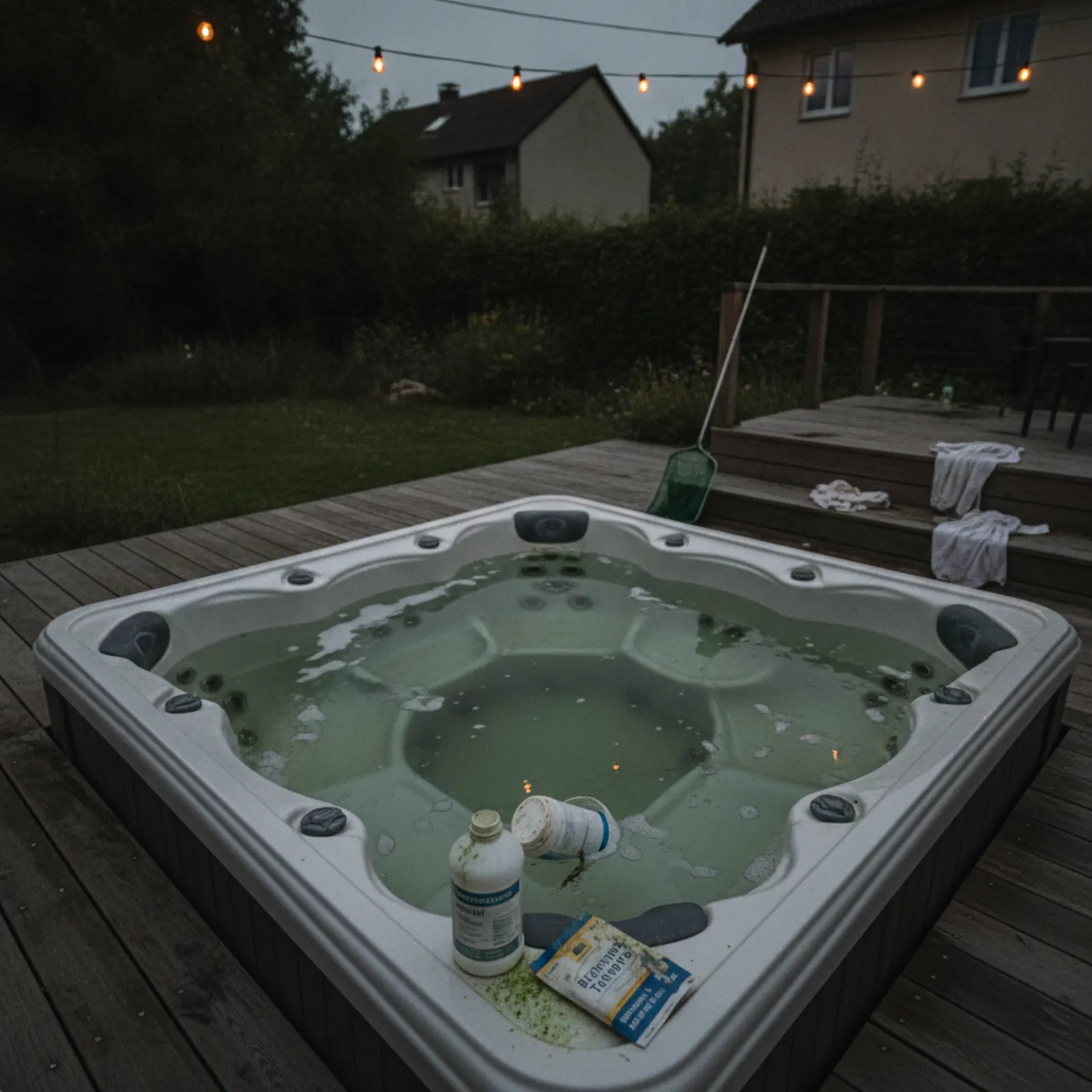
Quick answer: Hot tubs can spread Legionella when warm water, poor disinfectant, biofilm, and aerosolized mist line up. The buyer answer is consistent water care, cleaning, and staying out when water is cloudy or maintenance is uncertain.
Best for
Private hot tub owners who want the safety basics without panic or medical claims.
Wrong fit
Public spa operators needing local code compliance and formal water-management plans.
Tradeoff
A hot tub is relaxing only when water care is treated as part of ownership, not a nuisance.
Methodology
These guides are built from manufacturer documentation, public specifications, primary research where health claims matter, and repeated buyer questions that show up in real ownership and installation decisions.
Manufacturer and dealer sources can clarify pricing bands, warranty terms, support footprint, or common mistakes. They do not move a page up the shortlist on their own.
Health and safety pages are written conservatively. When the safer answer is to slow down, get clearance, or skip the heat, that is the answer we give.
Next Step
What to do next
Use one of these three paths. They are here to move the decision forward, not add more noise.
Want the full buyer path in your inbox? We send the short version.
Related Guides
filter cleaner • water care
Hot Tub Filter Cleaner: Spray vs Soak
Compare hot tub filter cleaner sprays, deep soaks, rinse tools, cost per clean, and the mistakes that damage cartridge filters.
temperature • safety
Hot Tub Temperature Guide: Ideal Settings, Safety & Heat-Up Time
Ideal hot tub temperature settings from 98 to 104°F, who each suits, the 104°F max-safe rule, safety cautions, and how long a tub takes to heat up.
hot tub accessories • buyer guide
Best Hot Tub Accessories: Buy Now, Later, or Skip
A buyer-first hot tub accessories shortlist for 2026: the six essentials worth buying, optional upgrades, and gadgets you can skip.
pregnancy • safety
Hot Tubs During Pregnancy: What the Medical Guidance Says
Pregnancy and hot tub safety, including ACOG guidance, core temperature risk, early pregnancy caution, and safer alternatives.
safety • health
When Not to Use a Hot Tub
Hot tub safety guidance for pregnancy, children, alcohol, fever, wounds, heart conditions, overheating, and unsanitary water.